Quick answer
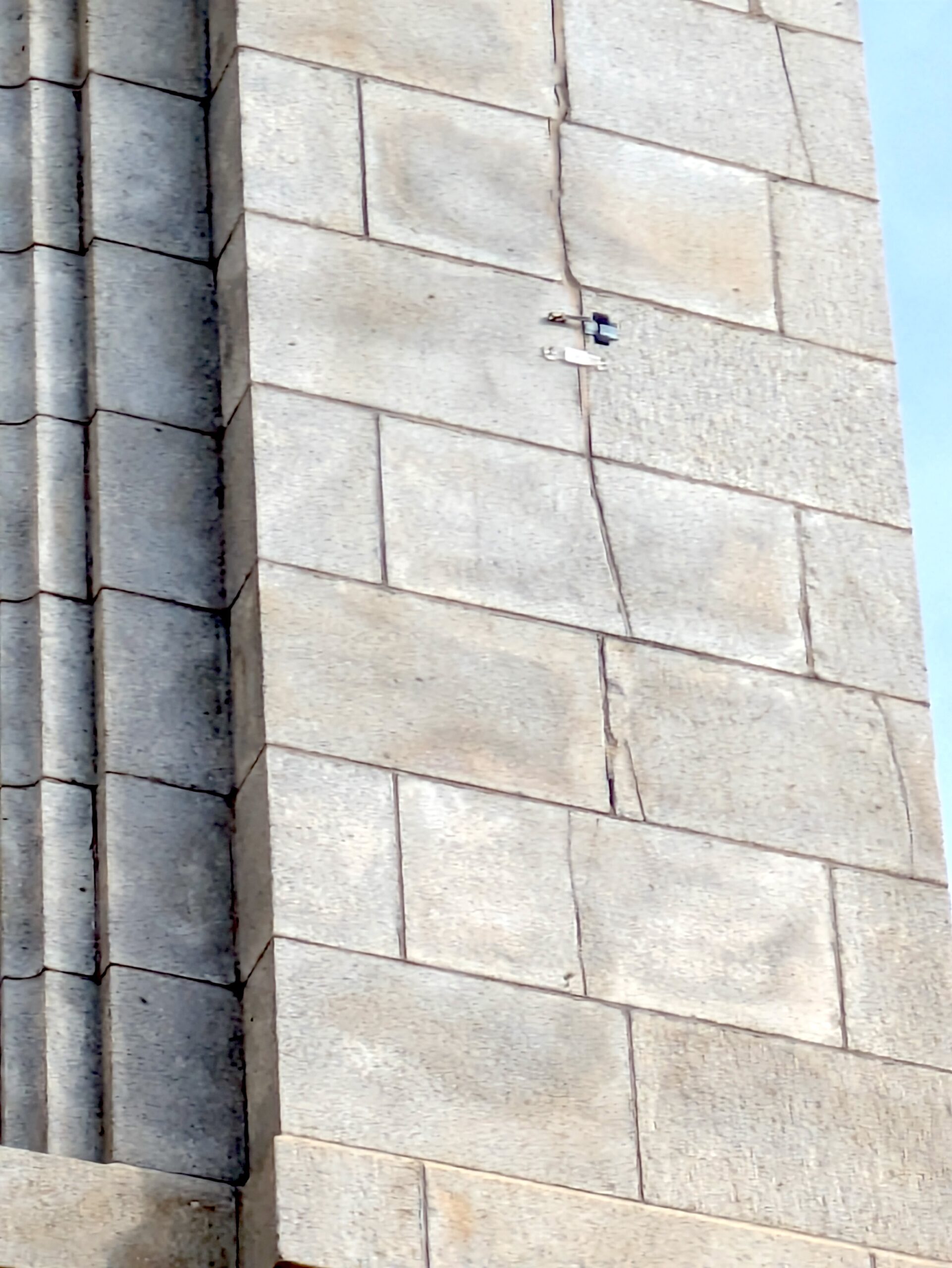
A foundation crack repair quote should say whether the work is intended to limit water entry, bond cracked concrete, address an assessed structural concern, or improve appearance. These are not interchangeable promises. Before comparing prices, identify the repair objective, the assessment supporting it, and what remains outside the contract. ACI guidance emphasizes understanding the cause and objective before selecting a repair. (concrete.org)
This guide is for U.S. homeowners comparing proposals—not for diagnosing a crack or choosing an injection material themselves. No price ranges are presented because an assessment, a localized leak repair and an engineered structural repair are different purchases.
1. Start with the promised outcome, not “crack repair”
Ask each bidder to complete this sentence:
“After this work, the specific condition we intend to correct is ______.”
The answer should be more precise than “fix the foundation.”
Sika’s technical selection guidance distinguishes flexible leak-sealing applications from rigid materials used for structural bonding. The American Concrete Institute also explains that cracks can affect appearance alone or indicate more significant distress; their significance depends on the structure and the nature of the cracking. (usa.sika.com)
Use these questions to separate the proposed objectives:
| Stated objective | Question to ask |
|---|---|
| Limit water entry | Does this cover only the identified crack, or other entry points too? |
| Bond cracked concrete | What assessment supports bonding, and is further movement expected? |
| Address a structural concern | What assessed problem does the specified work address? |
| Improve appearance | Is the work expressly cosmetic, with no water-control or structural promise? |
Do not accept the word “structural” as a substitute for an explanation. Ask what performance is intended, who determined that objective, and which written document defines it.
2. Separate the condition assessment from the sales estimate
A proposal should make its assessment basis clear. Was the contractor asked to seal a known leak, or to investigate why the foundation cracked?
ACI’s epoxy-injection guidance says the cause of cracking and the need for structural repair must be determined before proceeding. It also warns that an epoxy repair may not be applicable if subsequent movement is expected. (concrete.org)
Request a short written condition summary covering:
- Location and extent: Which wall, floor area or other component is included?
- Foundation material: What substrate is the proposed system intended to repair?
- Observed conditions: What leakage, surface deterioration or other conditions were actually seen?
- Assessment limits: What was concealed, inaccessible or not investigated?
- Unresolved questions: Is the cause established, suspected or still unknown?
- Responsibility: Who selected the repair approach, and is further professional evaluation recommended?
If a bidder describes a movement concern, ask whether a structural engineer licensed in your state should evaluate it before you authorize a permanent repair. Request that the resulting assessment and any repair documents be identified in the proposal.
Do not treat a photograph, crack shape or single width measurement as a complete diagnosis. ACI notes that visible cracking may represent the extent of the damage—or point to a larger problem. (concrete.org)
3. Require an exact material specification—and its limitations
“Inject with resin” is not enough information to compare proposals.
Ask for the manufacturer, exact product name and current technical data sheet. Then ask the contractor to explain why that product fits the substrate, moisture conditions and intended outcome.
For example, Sika specifies its Sikadur Crack Repair Kit for static—meaning nonmoving—cracks in solid concrete and solid masonry. Its requirements also distinguish acceptable dampness from standing water. Those are product-specific conditions, not universal rules for every resin or every foundation. (usa.sika.com)
Your comparison checklist should include:
- Is the proposed work surface sealing, injection, or another specified method?
- Is the material intended for leak sealing, structural bonding, or both in this application?
- What moisture and temperature conditions must exist during installation?
- What does the manufacturer say about movement?
- Does the specification apply to the actual foundation material?
- Who must approve a product substitution?
Avoid the shortcut “epoxy means structural repair; polyurethane means waterproofing.” ACI identifies polyurethane grouts and other nonstructural materials as possible choices where structural repair is unnecessary, but material selection still depends on the assessed condition and objective. (concrete.org)
Practical check: Ask, “Which published product requirement is most important on my job, and how will you confirm it is met?”
4. Make preparation, access and finish restoration visible
A useful scope explains what happens before and after the main repair—not just which material goes into the crack.
Manufacturer requirements illustrate why preparation belongs in the proposal. Sika’s crack-repair documentation calls for suitable, clean substrates and removal of contaminants that can affect adhesion. A proposal should explain how applicable requirements will be met without turning the contract into a homeowner installation manual. (usa.sika.com)
Ask bidders to mark each item included, excluded, allowance, or separately priced:
| Scope item | Detail to request |
|---|---|
| Repair extent | Marked photographs or a sketch identifying included cracks and branches |
| Access | Responsibility for moving belongings and opening finished surfaces |
| Preparation | Treatment of coatings, loose material and previous patches |
| Concealed conditions | What discovery stops work and requires reassessment |
| Installed appearance | Whether ports, surface seals or other visible repair features remain |
| Finish restoration | Whether drywall, trim, paint and flooring are restored |
| Cleanup | Protection, debris removal and final cleanup |
| Changes | Written approval process before additional work or charges |
These are suggested comparison fields, not claims that every project requires every item.
The FTC recommends written estimates describing the work, materials, completion date and price, and putting verbal promises into the written agreement. Use that principle to capture restoration promises before signing. (consumer.ftc.gov)
5. Ask what happens to the unresolved cause
A localized crack repair and a foundation water-management project should not be treated as the same scope.
Building Science Corporation distinguishes surface-water management from groundwater management. Roof runoff should be directed away from the foundation; water accumulating against walls or beneath a slab can create pressure that drives water through available cracks, joints and imperfections. (buildingscience.com)
That does not establish what is happening at your home. It does justify asking:
- Was roof drainage and nearby grading considered?
- Is the reported water actually entering through this crack?
- Were other possible entry locations observed or left unexamined?
- Are drainage investigation or corrections included, recommended separately, or excluded?
- If the proposed repair succeeds locally but water appears elsewhere, what happens next?
For a movement concern, ask a parallel question:
“What assessed cause is being addressed, and what concern—if any—will remain after this work?”
Request separate descriptions for crack treatment, drainage work, structural work and finish restoration. This helps you compare scope without assuming that every possible measure is necessary.
A clearly stated limitation is more useful than a broad promise such as “permanently fixes all foundation problems.”

6. Worked example: two proposals that are not substitutes
The excerpts below are hypothetical comparison examples, not actual quotes, complete specifications or recommended repairs. A real proposal would need project-specific documents and exact product information.
Proposal A: localized water-entry repair
“Treat the crack identified in the attached photograph using the specified injection system. Objective: limit water entry through that identified crack. No structural assessment, stabilization, drainage alterations or finish restoration is included. Separate written warranty terms apply to the treated location.”
Proposal B: repair based on an engineering assessment
“Perform the work described in the attached engineer’s repair documents. Scope includes the specified concrete bonding and any additional measures identified in those documents, together with the listed inspections and completion records. Drainage work and finish restoration are included only where expressly listed.”
These excerpts describe different objectives. ACI guidance supports distinguishing a nonstructural crack treatment from work selected to restore structural integrity; the need for structural repair must first be established. (concrete.org)
Here is how to compare them:
- Identify the unanswered question. Has anyone established whether structural evaluation is needed?
- Match each offer to its objective. Proposal A does not answer a structural question merely because it treats the crack.
- Check completeness. Proposal B is not ready to assess without the referenced engineering documents.
- Request clarification before comparing totals. Ask both bidders to identify assessment, repair, restoration and follow-up separately.
- Do not automatically buy the broader scope. Ask what evidence supports each proposed component.
The FTC advises obtaining multiple estimates, questioning large differences and not automatically choosing the lowest bidder. First determine whether the bidders are pricing the same work. (consumer.ftc.gov)
7. Define monitoring, completion and warranty exclusions
Ask for the actual warranty before signing—not just a statement that the work has a “lifetime warranty.”
Use these as review questions, rather than assuming the answers:
- What event triggers coverage: leakage through the treated crack, loss of bond, or something else?
- Does coverage apply only to the marked repair location?
- What is the duration, and whose ownership or “lifetime” defines it?
- Are labor, materials, return visits and access to concealed repairs included?
- Are new cracks, further movement or water entering elsewhere excluded?
- Are there maintenance duties, transfer conditions, deadlines or fees?
- Who provides the remedy: the installer, manufacturer, or another party?
If monitoring is proposed, request a written plan identifying who records observations, who interprets them, when review occurs and what changes require earlier contact. Ask for project-specific escalation instructions; do not invent your own safety threshold.
Before closing the project, request the marked repair record, installed product details, completion photographs, applicable professional or inspection records, and warranty documents.
For the final contract check, follow the FTC’s advice: verify applicable contractor licensing and insurance, obtain a written agreement, and do not pay the full project amount upfront. Contract requirements vary by state. (consumer.ftc.gov)
The decision rule: Compare price only after you can explain—in ordinary language—what each bidder intends to repair, what supports that choice, and what will remain unresolved.