Quick answer: Before closing out foundation or waterproofing work, request a final scope summary, contractor photographs, applicable inspection records, equipment manuals, maintenance instructions and complete written warranties. Agree on how unfinished items and future concerns will be handled. Keep everything together, including receipts: the FTC recommends saving product warranties and proof of purchase. This guide is for U.S. homeowners; permit procedures and legal protections vary by location. (consumer.ftc.gov)
Start with this project handover checklist
Use a handover meeting to compare the completed work with your agreement—not simply to collect an invoice. The FTC advises homeowners not to make final payment until work is complete and satisfactory. If completion is disputed, seek local consumer-protection advice rather than assuming a particular payment remedy applies. (consumer.ftc.gov)
Request these items, marking anything that does not apply:
- Signed contract and approved change orders.
- Final description of work, identifying treated and untreated areas.
- Updated drawing showing installed components and accessible service points.
- Contractor photographs of work before it was concealed.
- Applicable permit numbers, inspection results and final status.
- Engineering or special-inspection documents required for your project.
- Equipment models, serial numbers, manuals and purchase records.
- Completed testing or startup records, where applicable.
- Written maintenance and monitoring instructions.
- Warranty documents, claim procedures and transfer requirements.
- Itemized final invoice and receipts for payments made.
- Written list of outstanding items, responsible parties and agreed completion dates.
Treat this as a request list, not a statement that every document is legally required. Where something is missing, ask who will provide it and when.
Make the final scope understandable to someone new
Ask the contractor to prepare a short description answering: What was installed, where, and for what purpose?
For foundation work, request an updated location drawing and identification of the repair components. Ask for installation records specified by the contract or engineer, plus documentation of approved departures from the original plan.
For waterproofing, ask the drawing to identify:
- The beginning and end of each treated area.
- Drainage routes, sump locations and discharge destinations.
- Membranes, wall treatments and repaired penetrations.
- Cleanouts, inspection points and areas needing future access.
- Areas specifically excluded from the work.
Ask the contractor to label photographs by location and explain what each shows. A useful request is: “Please match these pictures to the drawing so a future service technician can understand them.”
Do not accept a verbal explanation as the only record of an important scope change. The FTC recommends putting promises about scope, labor and materials into the written agreement. (consumer.ftc.gov)
If photographs were never taken, record that limitation. Do not remove finishes or expose buried work yourself to recreate missing documentation.

Check permit completion separately from contractor completion
Where permits apply, ask for the permit number, approved plans and revisions, inspection results, and evidence of final approval. Then ask the issuing department how to verify the status.
An issued permit and a finalized permit are different milestones. For example, Portland, Oregon, describes an inspection sequence ending in a separate final inspection before the permit receives “Final” status. That is a local example, not a nationwide procedure. (portland.gov)
Questions for your local department include:
- Which permits applied to this particular scope?
- Are any inspections, corrections or documents outstanding?
- Does the record include relevant revisions?
- What confirms that the permit process is complete?
Where an engineer designed the repair, ask that professional what completion documentation their engagement includes. Request any project-required field reports or completion letter; do not assume one was included in the original fee.
Keep contractor warranties, municipal inspection records and engineering documents as separate items in your project folder. Ask each provider to explain exactly what its document addresses.
Turn equipment manuals into a maintenance calendar
Request manuals for the equipment actually installed—not merely a brochure for the product range. Have the contractor record model and serial numbers where you can find them without entering a pit or handling equipment.
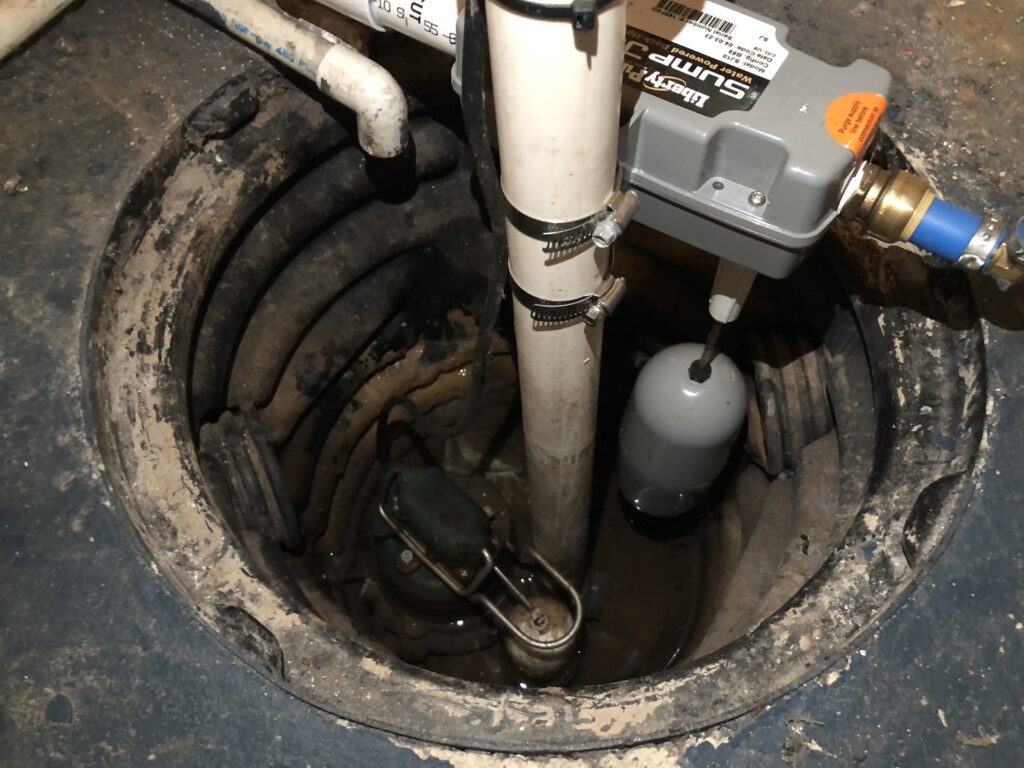
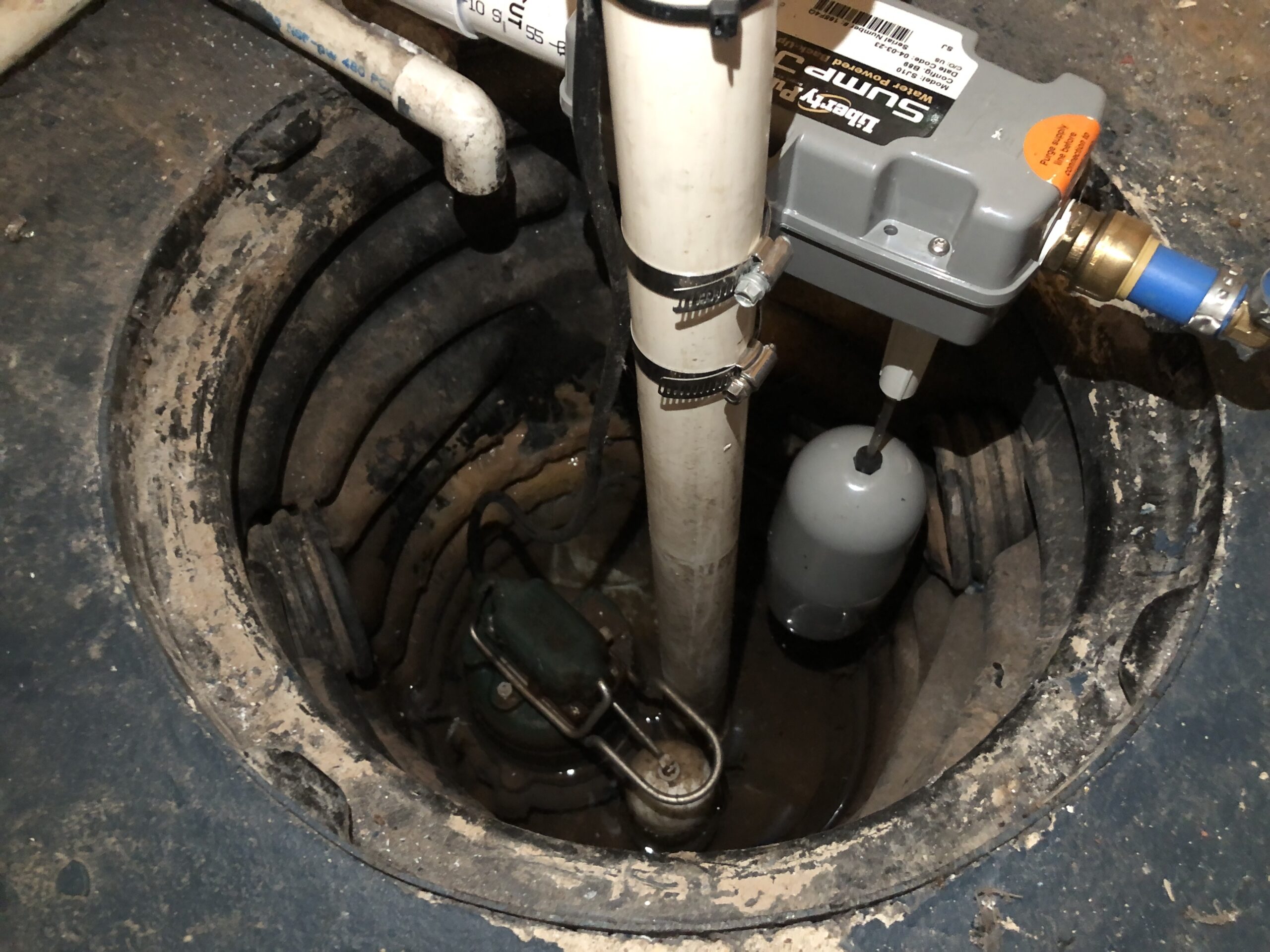
Liberty Pumps’ S30-Series manual, for example, directs the installer to leave the manual with the owner or operator. It also identifies debris or buildup that could interfere with pump or float operation and assigns pump-system maintenance to qualified personnel. (libertypumps.com)
Ask the installer to complete a maintenance table:
| Item | What to document |
|---|---|
| Pump and float | Inspection task, frequency and qualified service provider |
| Backup system | Applicable testing, battery care and replacement instructions |
| Alarm or controller | Meaning of indicators and response to an alert |
| Drainage access points | Locations and access that must remain available |
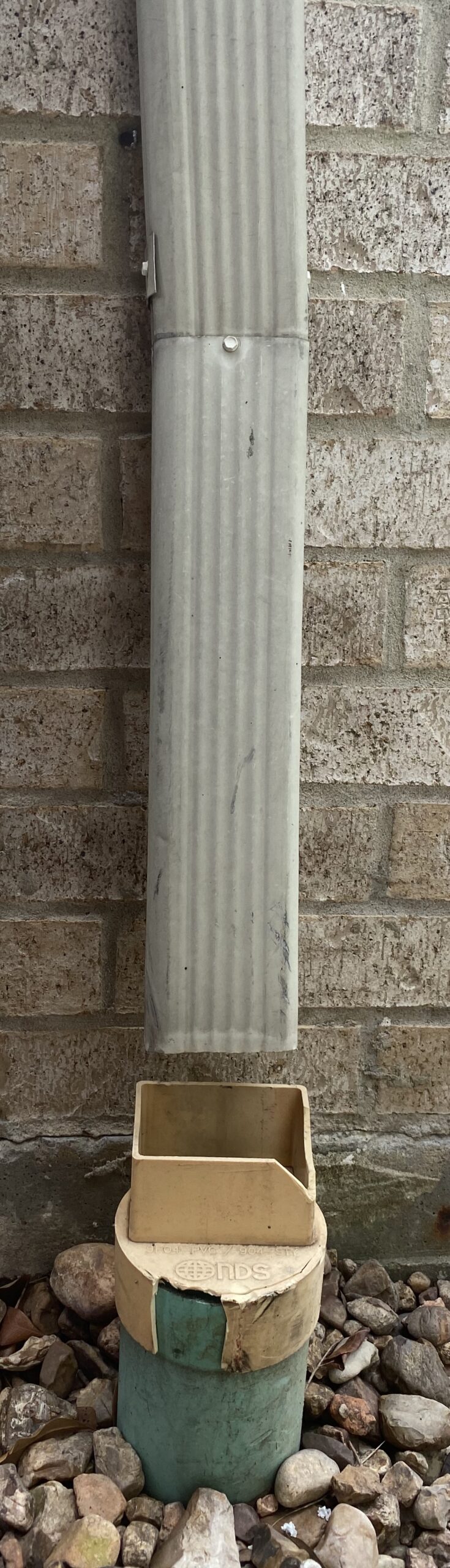
| Exterior drainage | Site-specific responsibilities and inspection reminders |
| Service visits | Work included, price basis and records supplied |
Do not substitute a generic annual reminder for the actual instructions. Ask whether the schedule comes from the manufacturer, contractor warranty or a separately purchased service plan.
Request a safe demonstration of normal operation and alarm indications. Leave electrical troubleshooting and equipment servicing to qualified professionals; pump manuals warn of electric-shock hazards. (libertypumps.com)

Agree on what to monitor—and who interprets changes
Before the contractor leaves, ask for a written monitoring plan appropriate to the work. For structural repairs, ask the responsible engineer to define any professional monitoring needed.
Useful questions include:
- What condition should we document now as the baseline?
- Which locations should appear in repeat photographs?
- When should observations or professional follow-up occur?
- Which changes require a service call?
- Who reviews the information?
- Is the follow-up visit included or separately charged?
For waterproofing work, consider keeping a simple observation log with the date, weather conditions, location of visible moisture and any alarm message. Describe what you observed without assigning a cause.
For example, write “damp patch beside the west-wall service penetration after rain,” rather than “the new drain failed.” Ask the contractor how to distinguish the installed system’s covered function from other moisture concerns.
Do not use photographs or a generic crack-width rule to decide that a structural change is safe. Seek qualified assessment of new or worsening concerns.
Safety comes first: do not enter standing water to inspect a pump or reach an electrical panel. WAYNE’s sump-system manual specifically warns against walking on a wet floor before electrical hazards have been addressed. (waynepumps.com)
Read each warranty as a separate promise
Create a separate entry for each contractor warranty, manufacturer warranty and paid service agreement. The FTC distinguishes separately purchased service contracts from warranties supplied with products. (consumer.ftc.gov)
For each document, identify:
- Who provides coverage and who can claim.
- When coverage begins and ends.
- The covered component, location or failure.
- Whether the remedy is repair, replacement or something else.
- Labor, access, shipping and restoration exclusions.
- Maintenance, notification and transfer conditions.
Actual documents show why this matters:
Equipment coverage may exclude service costs. Liberty Pumps’ published wholesale warranty, effective February 15, 2024, generally provides three years of defect coverage from purchase, with exceptions. Its stated exclusions include field labor, travel, removal and reinstallation costs. (libertypumps.com)
Equipment coverage may not transfer. The published WAYNE WSS30Vn manual describes a three-year limited warranty for the original purchaser and states that it is not transferable. These are that document’s terms, not a promise for every WAYNE product or purchase. (waynepumps.com)
A long contractor warranty may cover a narrow location. KC Waterproofing’s published Basement Guardian sample limits coverage to the installed system’s extent at the floor-wall joint. It excludes pump or power failure and condensation, and requires transfer paperwork within 60 days after title transfer; a reinspection fee may apply. (kcwaterproofing.com)
Ask for the versions applicable to your project. Published examples do not establish your coverage or determine whether every limitation is enforceable. For legal questions, consult your state consumer-protection office or a qualified attorney. (consumer.ftc.gov)
Work through a coverage example before you need a claim
The following comparison is hypothetical, not a description of a real contractor or product.
Suppose two handover packages contain these terms:
| Question | Package A | Package B |
|---|---|---|
| Drainage coverage | Repair of the installed drainage section | Repair of the installed drainage section |
| Pump coverage | Separate manufacturer warranty | Separate manufacturer warranty |
| Pump replacement labor | Explicitly excluded | Included during a stated contractor labor term |
| Damaged finishes | Excluded | Excluded |
| Transfer | Application required by a stated deadline | Written notice and an inspection required |
| Maintenance | Documented maintenance required | Documented maintenance required |
Now suppose the pump stops during the applicable coverage period and water damages finished flooring.
Under these assumed terms, ask three separate questions:
- Does the pump failure qualify for the manufacturer’s remedy?
- Who pays to diagnose, remove and reinstall the pump?
- Is damage to the flooring covered anywhere?
Package B expressly addresses replacement labor during its labor term. Neither package promises to replace the flooring. Neither establishes that every pump failure qualifies.
This exercise follows the FTC’s recommended approach: check the covered repair, promised remedy, claim route and possible labor or shipping charges—not just the warranty’s headline duration. (consumer.ftc.gov)
Before buying additional coverage, request written prices in U.S. dollars for required visits, transfer inspections and uncovered service calls.
Keep the file ready for a problem or a future sale
Store the handover package digitally with a backup. Save the actual warranty document rather than relying only on a webpage, and keep purchase receipts alongside it. The FTC specifically recommends retaining both. (consumer.ftc.gov)
If a problem appears, follow the document’s notification procedure promptly. Include the project address, completion date, relevant equipment details, photographs and a factual description. Keep copies of communications; the FTC recommends documenting contractor disputes and following telephone discussions with written correspondence. (consumer.ftc.gov)
Before another company alters the work, ask the warranty provider how the proposed change could affect a claim. Do not delay urgent safety assistance while awaiting warranty approval.
Before a sale, review each transfer clause separately and request the necessary forms. Avoid describing coverage as automatically transferable unless the applicable document supports that statement.
The practical goal is a file that lets you—or the next owner—answer three questions without guessing: What was done, what needs attention, and who has promised to do what if something goes wrong?